
Please Choose Your Language
Views: 222 Author: XS Traffic Facilities Publish Time: 2026-06-03 Origin: Site


Content Menu
● What Are Construction Road Signs and Why They Matter
● Key Construction Road Signs and Their Meanings
>> 1. General Construction Warning Signs
>> 2. Lane, Shoulder, and Speed Control Signs
>> 3. Detours and Alternate Routes
>> 4. Vehicle and Access Restriction Signs
>> 5. Special Hazard and Operations Signs
>> 6. Personal Safety and Protective Equipment Signs
● Construction Site Signage Requirements: Size, Visibility, and Placement
● How LED and Active Light‑Emitting Signs Improve Work Zone Safety
● Expert Tips for Safer Work Zones (From a Manufacturer's View)
● When Should You Use Custom OEM/ODM LED Construction Signs?
● Call to Action: Build Safer Work Zones With LED Traffic Signs
● FAQs About Construction Road Signs and LED Traffic Sign Solutions
>> 1. What is the most important construction sign drivers should never ignore?
>> 2. Are LED construction signs worth the extra cost compared to reflective boards?
>> 3. How do I know if my construction signage meets local regulations?
>> 4. Can construction signs be customized for my project or brand?
>> 5. How far in advance should construction warning signs be placed?
Road work zones are one of the most dangerous places on any highway or city street, yet most accidents there are still caused by drivers misunderstanding or ignoring construction road signs. As a Chinese manufacturer of LED traffic signs and smart traffic safety systems, I have seen both well‑managed and poorly managed work zones around the world—and the difference always starts with clear, standardized signage and driver awareness.
In this guide, I will walk you through the most common construction road signs and their meanings, practical safety tips for drivers and site managers, and how modern LED and active light‑emitting signs can dramatically improve visibility and safety in work zones.
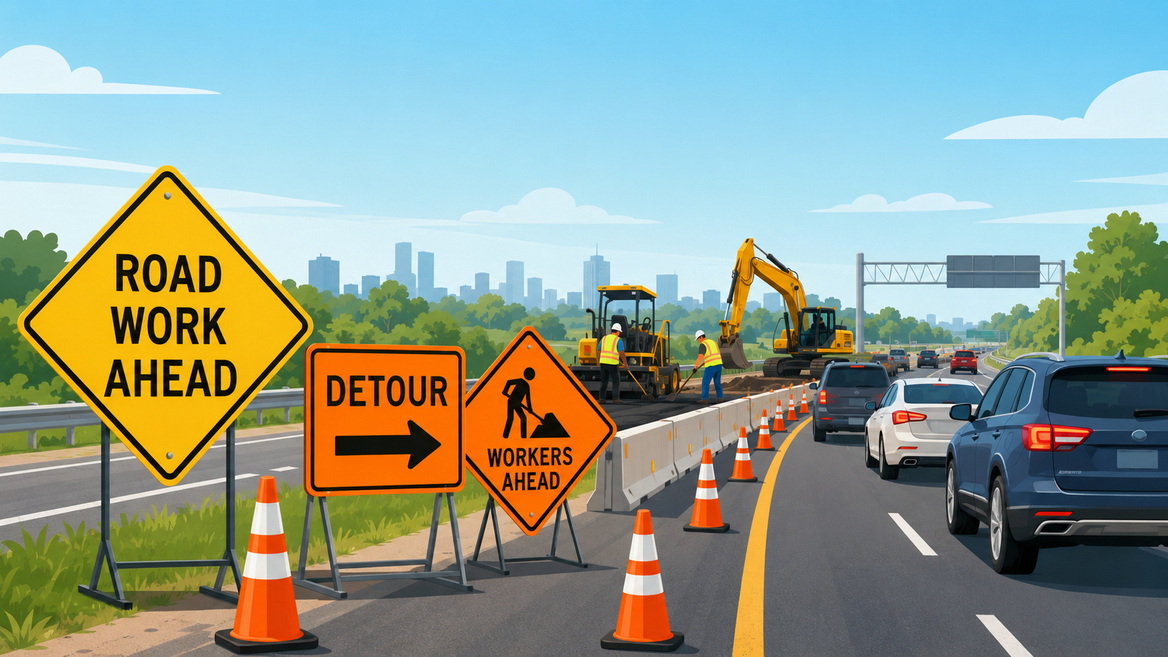
Construction road signs are temporary traffic control devices used to warn drivers and pedestrians about road work, lane closures, detours, and hazards near construction sites. Their core purpose is simple: protect road users, workers, vehicles, and equipment while keeping traffic flowing as smoothly as possible.
From a manufacturer's perspective, effective construction signage must meet three basic requirements:
- High visibility in all weather and lighting conditions.
- Standardized shapes and colors that drivers recognize instantly.
- Accurate placement in line with national or regional regulations.
Below I re‑organize and clarify the original list of signs into logical groups so drivers and safety managers can find what they need more quickly.
These signs tell you that you are entering or already in a work zone and must drive with extra caution.
- Road Construction Ahead
A yellow, diamond‑shaped sign with black letters warns that there is road construction or maintenance ahead. Drivers should slow down, increase following distance, and scan for workers, machinery, or lane shifts.
- Blank Yellow Warning Sign
A plain yellow warning sign means "hazard ahead" without specifying exactly what it is. It may refer to uneven pavement, temporary obstructions, or upcoming construction, so you must stay alert and reduce speed.
- Worker Present
This sign tells you that workers are currently in the area, not just that work is scheduled. Drivers should lower speed (often around typical work‑zone limits such as 45 mph or less) and pay close attention, as workers may appear unexpectedly near the lane.
- Be Prepared To Stop
A yellow diamond with black letters that warns you may need to stop suddenly for flaggers, queues, or temporary signals. You should already be slowing down when you see this sign and scanning ahead for brake lights and traffic control devices.
- End Road Work
Indicates that the work zone has ended and normal driving conditions resume. It is usually located 50–60 meters after the actual end of the work area to ensure you have truly passed the hazard zone.
These signs manage how vehicles move through or around the work zone.
- Shoulder Work Ahead
Used on multi‑lane roads to show that work is being done on the shoulder or a specific lane. You can usually keep driving in your lane but must slow down and watch for workers and equipment close to the traffic stream.
- Shoulder Closed
This sign means the shoulder is not available for travel or stopping. Drivers must not use it as an emergency lane or an extra driving lane and should merge safely into the open lanes.
- Lane Closed Ahead
Alerts drivers that a lane will soon be closed because of road work. You should merge early and avoid last‑second lane changes, which are a major cause of rear‑end collisions in work zones.
- Slow Traffic Ahead
Warns that traffic conditions are slower than usual due to congestion, accidents, or road work. Reducing speed early helps prevent sudden braking and chain‑reaction crashes.
- Work Zone Speed Limit
Shows the temporary speed limit you must follow inside the work zone. Ignoring work zone speed limits not only increases crash risk but can also result in higher fines in many countries.
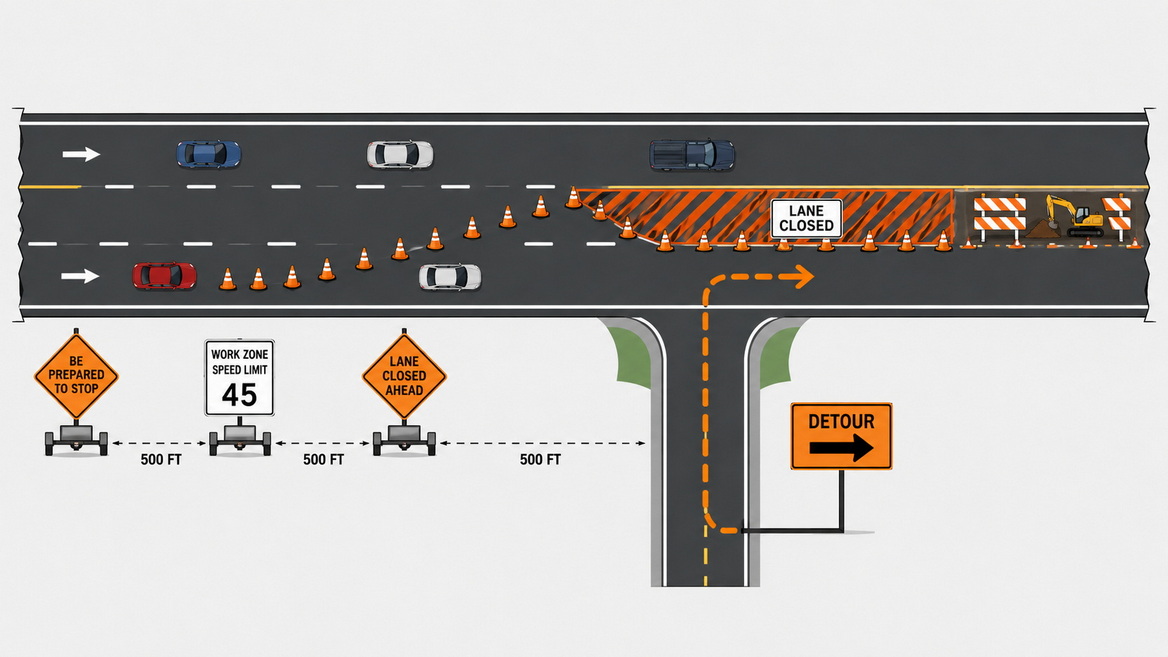
These signs help you navigate around closed roads or areas under construction.
- Detour
A yellow or orange sign with the word "Detour," often including an arrow, tells you the usual route is closed. Follow the arrow to the temporary route, and don't try to drive through the closed section even if it looks passable.
- End Detour
Informs you that the temporary detour route is over and you may rejoin your normal route. This sign is placed where the original road alignment becomes safely accessible again.
- Pedestrian Detour
Specifically designed for people on foot, signaling that the sidewalk or normal walking path is closed. Pedestrians should follow the indicated alternate route to avoid heavy machinery, open trenches, or other hazards.
These signs define who is allowed in which areas, helping keep unauthorized users out of danger zones.
- No Entry
A red circle with a white horizontal bar across it. It means no vehicle may enter that road or area. Common locations include one‑way streets, construction access points, and private roads where wrong‑way entries could cause head‑on collisions.
- Construction Vehicles Only
Indicates that only authorized construction vehicles may use a specific lane or access road. Regular cars and trucks must stay out to avoid conflicts with large, slow‑moving equipment on rough surfaces.
- No Construction Traffic
The opposite situation: construction trucks and heavy machinery are not allowed on that road. This helps reduce noise, congestion, and damage on sensitive or heavily populated streets.
- Construction Area – Authorized Personnel Only
Restricts entry to trained workers and authorized staff within the active work site. It helps protect the public from falling objects, moving equipment, and other high‑risk activities.
These signs highlight specific activities or dangers that require extra care.
- Flagger Ahead
An orange sign with a symbol of a person holding a flag indicates that a trained flagger is controlling traffic ahead. Be prepared to stop, follow hand signals, and never attempt to bypass the flagger.
- Tree Work Ahead
Warns that workers are cutting or trimming trees near the roadway. Expect fallen branches, stopped vehicles, and equipment on or near the road, and drive slowly.
- Utility Work Ahead
Indicates work on power, water, communication, or other utilities near or under the road surface. You may see open trenches, temporary covers, or workers close to traffic lanes.
- Trucks Turning Ahead
Alerts drivers that heavy trucks are entering or leaving the roadway from the construction site. Large vehicles need more space and time to turn, especially in poor weather or on sharp curves, so slow down and allow them to complete their maneuver.
- Survey Crew Ahead
Means survey teams are taking measurements or mapping the area, often near the roadway. Their vehicles and tripods may be close to or partially in the lane, so pass carefully and at reduced speed.
- Heavy Plant Crossing
Indicates that large, slow construction machinery (like excavators or loaders) is crossing the road. You should be patient, maintain a safe distance, and never attempt to overtake while the machines are entering or leaving the roadway.
- Blasting Zone
A warning that controlled explosions may be occurring in the area, typically for construction, mining, or demolition. Drivers must obey all instructions, stay outside restricted zones, and be aware of flying debris, loud noise, and temporary closures.
These signs remind both workers and nearby drivers about personal protection measures.
- Hard Hat Area
Informs everyone in the area that a safety helmet is required because of the risk of falling objects. Even drivers who exit their vehicles in these zones should wear proper head protection.
- Falling Objects
Specifically warns that materials or tools may fall from above. Workers and visitors must stay alert, avoid standing under elevated loads, and use appropriate PPE such as hard hats and safety shoes.
Temporary construction signs are often installed and managed by traffic control professionals, who must follow local and national standards. While exact rules vary by country, the original article highlighted some practical guidelines that align with common international practice:
- On high‑speed roads (around 25–35 mph in the example), use 48 × 48 inch boards with large, all‑uppercase lettering at least 7 inches high.
- On lower‑volume roads with similar speeds, the board size stays 48 × 48 inches, but letter height may be reduced to around 5 inches.
- On local, low‑volume roads, smaller boards such as 30 × 30 inches may be acceptable, with shorter text that still clearly delivers the message.
- When a road is fully closed, signs should be installed on both sides to prevent wrong‑way or accidental entries.
For manufacturers, this means every sign design should take into account:
- Required retro‑reflectivity or LED luminance so messages are readable at night and in rain or fog.
- Standard colors (typically orange for temporary construction signs, yellow for general warnings) to match local regulations.
- Mounting height and angle to keep signs at driver eye level without obstruction.
Traditional reflective signs rely on headlights or ambient light to be visible. Active light‑emitting road traffic signs integrate LEDs directly into the sign face, allowing them to generate their own light and deliver several key advantages:
- Superior visibility at night and in bad weather, reducing missed warnings and last‑second reactions.
- Dynamic messaging, such as changing speed limits, lane status, or detour directions in real time as work phases change.
- Energy efficiency, as modern LED modules offer long lifespans and low power consumption, even in solar‑powered systems.
In China, national standards like "LED Active Light‑Emitting Road Traffic Signs" (GB/T 31446) and related industry standards for internal illumination have accelerated adoption of this technology in cities and expressways. From our own export experience, we see similar demand growth in North America, Europe, and the Middle East as road agencies upgrade from static reflective boards to intelligent LED signage solutions.
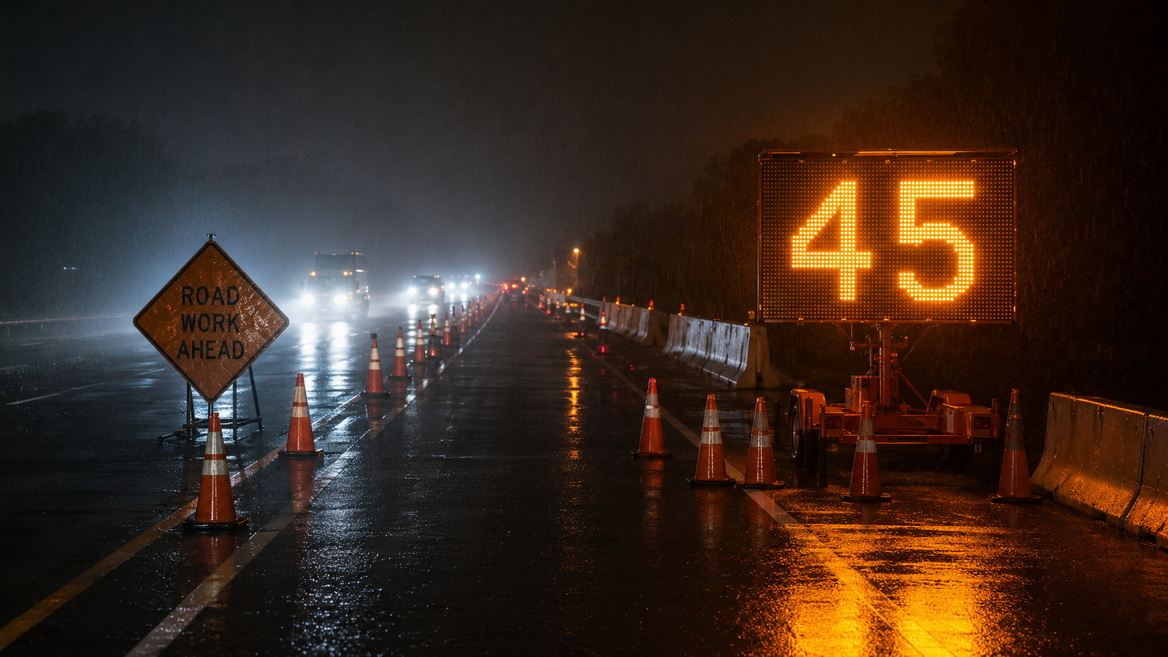
Drawing on years of manufacturing LED traffic signs for highways, toll stations, municipal roads, and parking facilities, here are practical recommendations we share with clients worldwide:
- Standardize sign sets for typical scenarios
Prepare pre‑approved packs for "single‑lane closure," "full closure with detour," or "urban utility work" that meet local standards and can be deployed quickly.
- Use LED or internally illuminated signs at critical points
Prioritize advance warning points, lane merges, and speed reduction signs for LED versions, where missed messages carry the highest risk.
- Combine signage with physical devices
Use cones, barriers, and delineators together with signs so drivers see both visual and physical cues, especially at night or in complex layouts.
- Review and update layouts as the project evolves
Temporary signs should move as the work front moves; outdated or misplaced signs confuse drivers and reduce trust in all signage.
- Train workers and flaggers in basic traffic psychology
Small changes—like consistent spacing, clear symbols, and predictable patterns—make it easier for drivers to understand what to do.
Standard signs cover most situations, but many clients require customized solutions to match local legal requirements, language, or branding. As a Chinese manufacturer focused on OEM and ODM traffic products, we usually see customization in areas like:
- Language and symbol combinations for bilingual regions.
- Unique size or mounting types for tunnels, toll stations, or parking structures.
- Integrated electronics, such as radar speed display, wireless control, or solar power modules.
If you operate road networks, manage industrial parks, or run parking and logistics hubs, partnering with an experienced OEM/ODM supplier allows you to tailor LED signs to your specific safety strategy while still meeting regulatory standards.
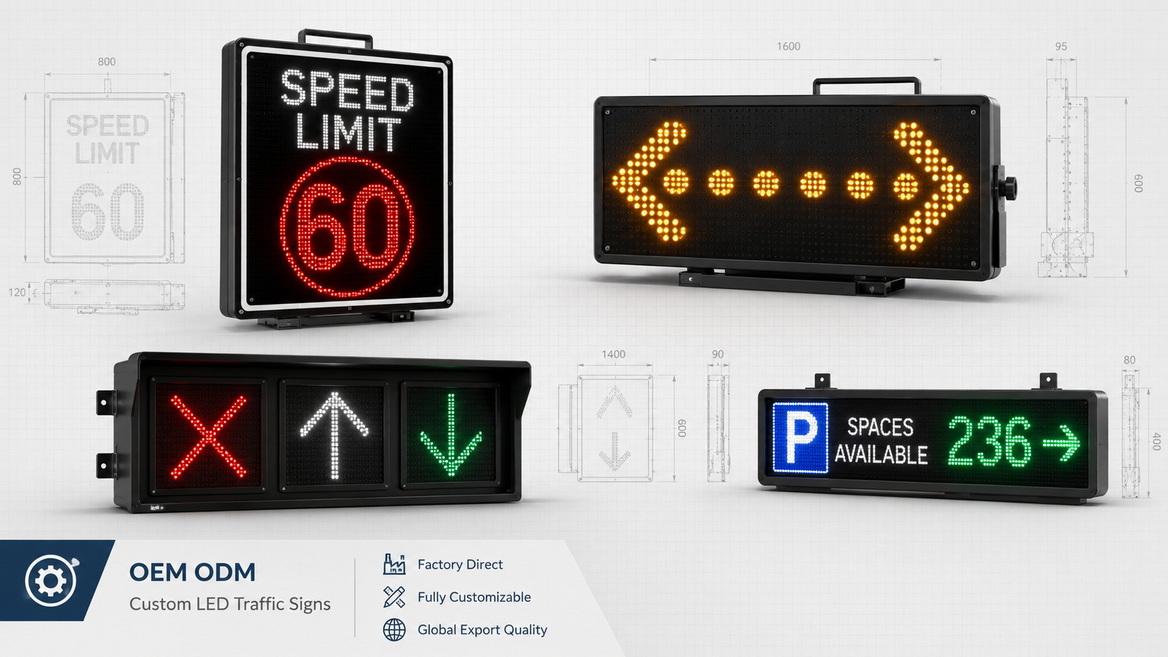
Clear, standardized construction road signs are the first line of defense against work‑zone accidents, but technology now allows us to go further with intelligent LED and active light‑emitting signage. If you are planning new road projects, upgrading existing infrastructure, or designing safer parking and logistics facilities, consider working with a specialist manufacturer that can provide customized LED traffic signs, OEM/ODM design, and full solution support from concept to shipment.
Any sign that indicates lane changes, speed reduction, or workers present is critical, because these directly affect crash risk in the work zone.
In high‑risk zones, LED and active light‑emitting signs typically offer better night and bad‑weather visibility, which can significantly reduce accidents and long‑term liability.
Check your country's road sign standards or manual on uniform traffic control and work with a manufacturer familiar with those requirements to ensure correct colors, shapes, symbols, and sizes.
Yes. OEM/ODM manufacturers can customize layout, language, dimensions, LED modules, and mounting systems while still conforming to safety and regulatory standards.
Placement distance depends on speed, road type, and line of sight, but higher speeds require longer advance warning so drivers have time to slow down and change lanes safely.
1. Jackwin Safety. "No Entry Road Sign Meaning / Construction Signs Meaning on Road."
https://jackwinsafety.com/construction-road-signs-and-meanings/
2. SEO Brand. "Google E‑E‑A‑T Explained: Trust Signals."
https://www.seobrand.com/blog/what-is-google-eeat/
3. ClickPoint Software. "E‑E‑A‑T as a Ranking Signal in AI‑Powered Search."
https://blog.clickpointsoftware.com/google-e-e-a-t
4. Transline Inc. "5 Tips for Creating Effective Custom Traffic Signs."
https://translineinc.com/making-your-mark-5-tips-for-custom-traffic-sign-creation/
5. MSHA Safety Services. "Key Elements of Traffic Safety: Management, Signage, Speed Regulations, and Compliance."
6. ZGSM. "LED Traffic Light | Manufacturer."
https://www.zgsm-china.com/led-products/led-traffic-light
7. Nanjing Saisi. "When purchasing active luminous road signs, there are six compelling reasons to choose our 'SaiSai JiaKe' brand!"
http://www.njsaisi.com/2488.html
8. Made‑in‑China. "OEM Y Traffic Sign Suppliers."
https://www.made-in-china.com/manufacturers/oem-y-traffic-sign.html
9. Jackwin Safety. "Custom Traffic Signs Manufacturer in China."


